The air was cool and carried the subtle scent of eucalyptus as I stepped off the BART train and took in my first breath of Oakland. The late morning sunlight danced on the sidewalks and filtered through the branches of towering oak trees. I’d read about Oakland before, seen it through the filtered lens of social media, but nothing quite prepared me for how layered and vibrant the city felt the moment I arrived.
This journey began with curiosity but quickly turned into a kind of quiet awe. There’s something captivating about a place that balances grit with grace, history with innovation. And while San Francisco often steals the spotlight just across the bay, Oakland stands firm—less boastful, more grounded, and incredibly rich in its own right.
The following days were a tapestry of walks, tastes, sounds, and sights. If it’s your first time visiting Oakland, these are the landmarks that deserve not only a visit but time and attention. They offer more than photo ops; they offer a chance to truly feel what Oakland is all about.
1. Jack London Square: Where the Waterfront Breathes Stories
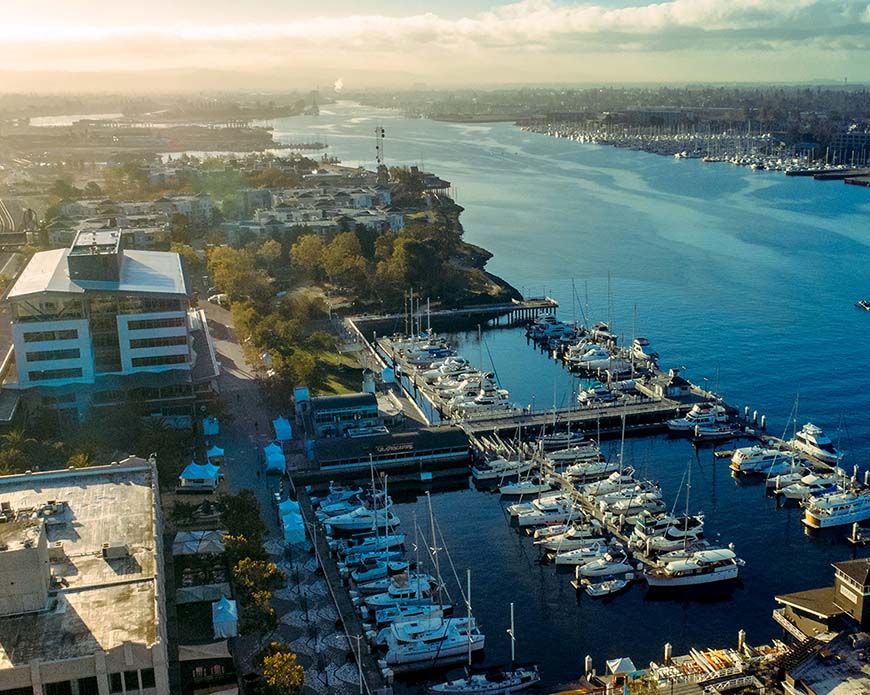
The heartbeat of Oakland’s waterfront pulses at Jack London Square. The neighborhood is named after the legendary author who once called this city home, and his spirit lingers in the salt air and weathered planks of the boardwalk.
I strolled along the waterfront, the rhythm of my footsteps matched by the gentle lap of the water against the docked boats. The historic Heinold’s First and Last Chance Saloon stands like a monument to the city’s maritime past, its slanted floor a reminder of the 1906 earthquake. Inside, the wood-paneled walls whisper a thousand tales over a drink.
Nearby, the bronze sculpture of Jack London gazes toward the estuary, as if still seeking adventure. I paused beside it, imagining what the world must have looked like through his eyes—a city on the edge of change, full of characters and contradictions.
Restaurants along the square serve a variety of cuisines, but the oysters at Scott’s Seafood were a personal highlight. Paired with a chilled glass of Chardonnay, they became more than just a meal; they were a sensory encounter with the Bay itself.
2. Lake Merritt: The Heart That Reflects the Sky
There’s a stillness around Lake Merritt that speaks louder than words. Not silence, but a contemplative hum—the kind that draws joggers, birdwatchers, artists, and daydreamers into its orbit.
Encircled by a necklace of lights that glimmer like stars after dusk, Lake Merritt is more than a body of water; it’s a cultural mirror. I walked the 3.4-mile shoreline loop in the early afternoon, watching paddleboats drift by while couples picnicked under shade trees. The scent of grilled corn from a nearby vendor lingered in the air.
Children played near the Rotary Nature Center and Wildlife Sanctuary, where ducks and egrets move with casual elegance. It struck me how the lake isn’t merely a park—it’s a living gallery, a natural canvas painted with daily life in the city.
The colonnade, a Neoclassical structure on the lake’s eastern shore, offered a moment of shelter and reflection. Columns framed views of the downtown skyline, where old-world structures meet modern ambition.
As twilight fell, the lights around the lake flicked on one by one. Each shimmered in the gentle waves like a string of memories stretching into the night.
3. Oakland Museum of California (OMCA): Layers Beneath the Surface
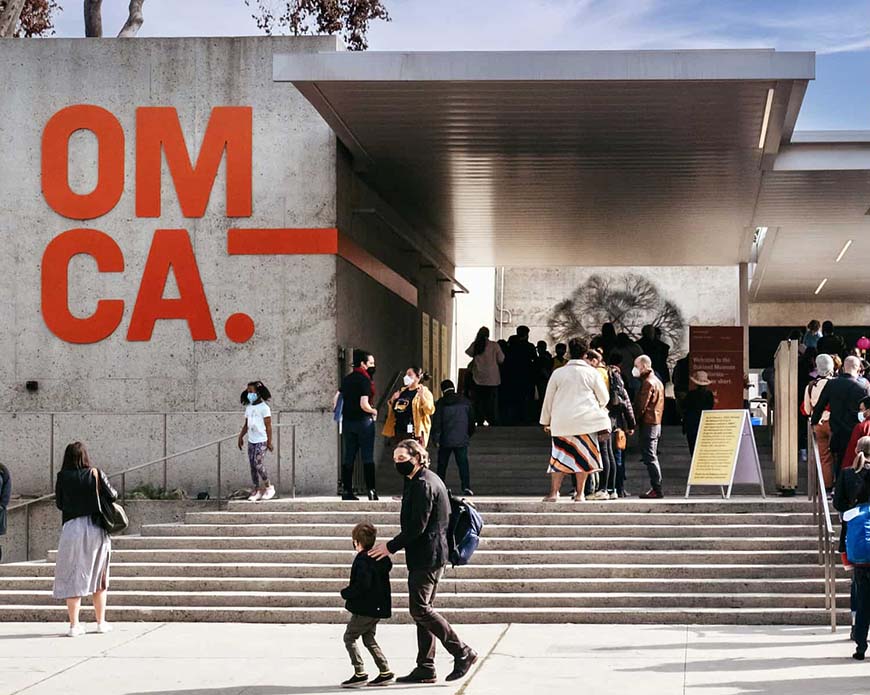
Beneath a modest facade on Oak Street lies a treasure trove of understanding. The Oakland Museum of California doesn’t simply display art, it explains the very soul of the state, with a particular focus on Oakland’s identity.
Inside, the galleries are divided into Art, History, and Natural Sciences, yet they flow together like chapters in a continuous story. I was particularly moved by the exhibitions on social justice movements. The Black Panthers’ legacy is preserved not with nostalgia but with clarity and intention. Photos, pamphlets, and voices from the past speak to present struggles and enduring courage.
In the Art section, I stood mesmerized before the works of contemporary Bay Area artists. Pieces like Mildred Howard’s assemblage sculptures drew me in with their layered textures and nuanced commentary.
Outside, the terraced gardens offer a quiet respite. Locals read newspapers, sip coffee, and soak in the city skyline from benches that overlook the surrounding trees. The juxtaposition of natural beauty and civic design is deliberate and soothing.
Every corner of this museum invites a kind of thoughtful pause. It’s the kind of place where you don’t leave thinking the same way you arrived.
4. Redwood Regional Park: A Cathedral of Quiet Giants
It takes only fifteen minutes to drive from downtown Oakland to find yourself among ancient redwoods, standing like silent sentinels against the sky. In Redwood Regional Park, time slows.
I entered through the Skyline Gate, greeted by a breeze that smelled of earth and pine. The noise of the city faded behind me with each step. The trail narrowed, and soon I was wrapped in a forest that felt more like a cathedral than a park. Light filtered down in beams, illuminating ferns and wildflowers with a reverent glow.
Walking alone through these woods stirred a kind of primal peace. Occasionally, I passed other hikers—some walking dogs, others in quiet pairs—but for long stretches it was just the crunch of my boots and the occasional caw of a raven.
In the Stream Trail area, a trickling brook played music over stones, and I paused to sit on a moss-covered bench. It’s remarkable how close this sanctuary lies to the bustle of the Bay. A different world, yet entirely part of Oakland’s fabric.
5. The Fox Theater: A Rebirth in Gold and Velvet
Evenings in Oakland carry their own magic, and the Fox Theater is one of its brightest beacons. This 1928 movie palace has been lovingly restored, its golden ceilings and Art Deco flourishes gleaming like a crown.
I arrived an hour early for a concert, wanting to take in the architecture. The lobby smelled faintly of history—old velvet, polished wood, and something sweet, like nostalgia.
The marquee outside flashed with names of bands and performers, a sign that the Fox had transformed from a relic into a stage for modern voices. Inside, the lighting cast a warm amber over intricate plasterwork and painted domes.
When the show began, the acoustics filled the room like honey pours into a cup—rich, full, and enveloping. I didn’t just hear the music; I felt it ripple through the rows of red seats and into the bones of the building itself.
6. Mountain View Cemetery: Elegance in Stillness
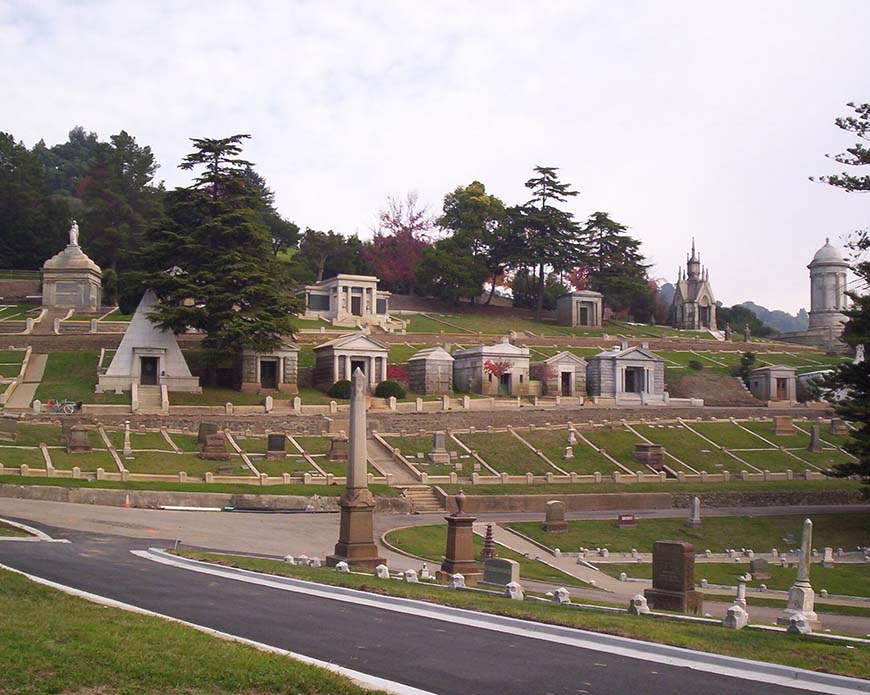
Cemeteries are often overlooked by travelers, but Mountain View Cemetery is no ordinary resting place. Designed by Frederick Law Olmsted, the mastermind behind Central Park, this hillside cemetery is a place of serene beauty and storied pasts.
I arrived just as the morning mist began to lift, revealing winding paths lined with cypress and stone. Names etched in granite told tales of railroad barons, artists, and politicians. Some monuments reached skyward like ancient obelisks, while others were simple and unadorned.
From the highest point, the view stretched out over the Bay—San Francisco shimmering in the distance, the bridges like ribbons of light.
There’s something humbling in walking through this landscape of memory. Each plot is a punctuation mark in Oakland’s historical narrative, a chapter closed yet still whispering.
7. Temescal Alley: Time Travel with a Scoop of Ice Cream
Not every landmark is grand in scale. Some are intimate, almost hidden, like secrets shared between friends. Temescal Alley is one such place.
Once a row of horse stables, these narrow corridors now house a collection of curated shops, barbershops, and cafés. I wandered in on a sunny afternoon, drawn by the gentle strum of a busker’s guitar and the smell of waffle cones.
At Curbside Creamery, I sampled a scoop of black sesame ice cream that tasted like velvet. Nearby, a shop selling hand-bound journals and local ceramics invited quiet exploration.
Each storefront felt like a tiny world. The people behind the counters spoke with the kind of passion that comes from creating, not just selling.
As the shadows grew longer, the alley filled with golden light and soft laughter. It was a perfect example of how Oakland honors the past while carving out space for something fresh, handcrafted, and enduring.
8. Morcom Rose Garden: A Quiet, Perfumed Oasis
Hidden within the Grand Lake district is a garden that seems to have grown straight out of a dream. The Morcom Rose Garden, built in the 1930s, is a terraced amphitheater of blooms.
I walked beneath archways draped in ivy, the scent of thousands of roses weaving a gentle spell. Water cascaded down stone steps into a reflection pool where bees danced and petals floated like confetti.
Benches tucked beneath bowers invited lingering. I sat among the roses, reading a few lines of poetry scribbled in my notebook, feeling as though time had agreed to pause.
Here, Oakland shows a softer side—one of intentional beauty and civic pride. The garden is maintained by volunteers, and it shows in every lovingly trimmed hedge and carefully labeled rose.
9. Preservation Park: Victorian Whispers in the Modern Age
A few blocks from Oakland’s bustling government district lies Preservation Park—a pocket of time where Victorian homes have been preserved and repurposed.
I stepped through the gates and into a neighborhood from the 19th century. Cobblestone paths led past gabled roofs, stained glass windows, and pastel-colored porches. Each house bears a name and a story, now functioning as offices and event spaces.
It felt like walking through a living novel. The contrast with the nearby glass towers and civic buildings is striking—yet somehow, it all fits.
People strolled with purpose, some on lunch breaks, others pausing to snap photos or lean against old railings. The trees rustled as if nodding in approval.