1. Introduction to Bay Area Rapid Transit (BART)
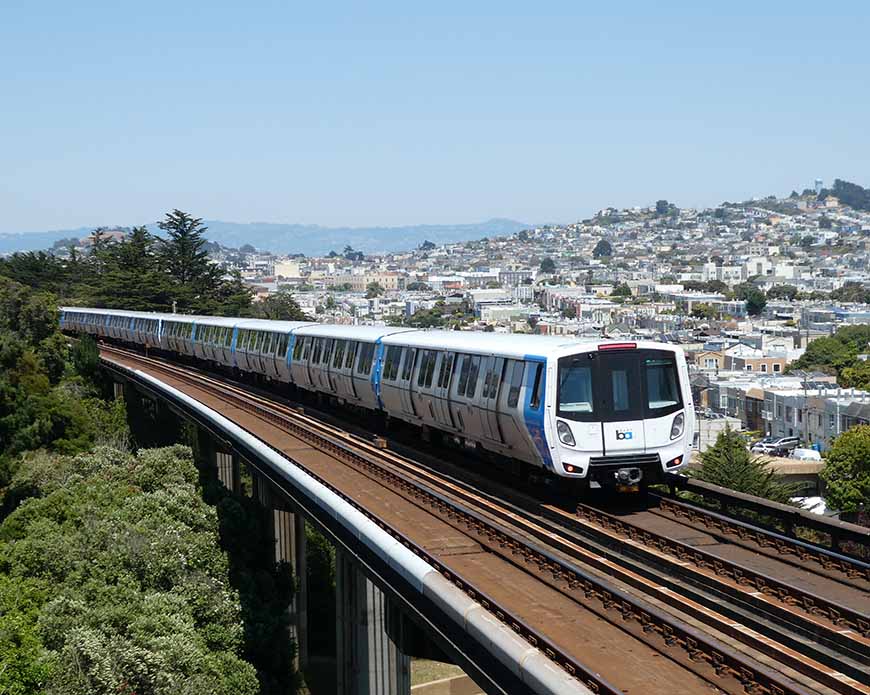
The Bay Area Rapid Transit system—commonly known as BART—is the arterial rail network that stitches together the vibrant cities, suburbs, and landscapes of the San Francisco Bay Area. Launched in the early 1970s, BART is a marvel of urban planning and engineering, linking San Francisco with Oakland and extending into the wider East Bay and beyond. For travelers, the BART system provides an essential alternative to traffic-heavy bridges and convoluted freeway networks.
Oakland, located just across the Bay Bridge from San Francisco, stands as one of the most compelling destinations in Northern California. From its waterfront promenades to historic architecture, from art deco theaters to soulful jazz clubs, Oakland delivers a striking contrast to the manicured hills of San Francisco. Navigating between the two cities can be as chaotic or as seamless as one chooses—BART ensures the latter.
This guide offers a detailed, station-by-station walkthrough for taking the most time-efficient route between San Francisco and Oakland. It includes the technicalities, human nuances, and logistical knowledge required to make your cross-bay journey not just tolerable but elegant.
2. Understanding the BART Network Map
Before boarding a train or tapping a Clipper Card, one must first decipher the BART map—a work of both logic and visual compression. Five main lines traverse the system: Yellow (Antioch–SFO/Millbrae), Blue (Dublin/Pleasanton–Daly City), Green (Berryessa/North San José–Daly City), Red (Richmond–Millbrae), and Orange (Richmond–Berryessa/North San José).
The Transbay Tube—an engineering tunnel underneath the San Francisco Bay—is where the magic happens. This 3.6-mile marvel connects San Francisco to Oakland in a matter of minutes, and it’s where all BART routes from San Francisco converge before dispersing into the East Bay like veins from a heart.
For the San Francisco to Oakland route, the most time-efficient lines are:
- Yellow Line (SFO/Millbrae → Antioch)
- Blue Line (Daly City → Dublin/Pleasanton)
- Red Line (Millbrae → Richmond)
- Green Line (Daly City → Berryessa/North San José)
Each of these lines passes through the Transbay Tube and stops at central Oakland stations.
3. Key San Francisco BART Stations for Departure
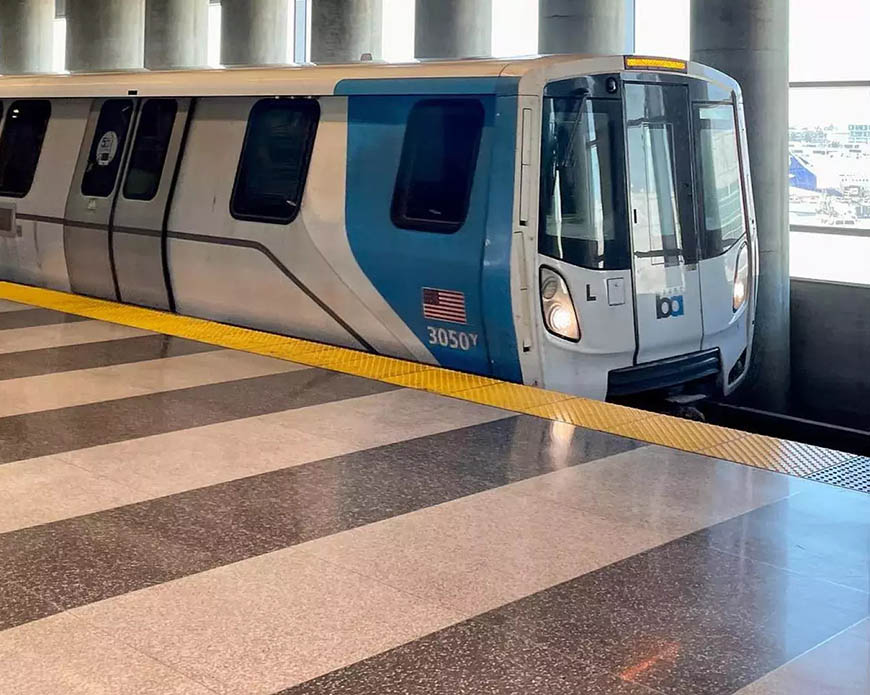
Several BART stations in San Francisco allow passengers to head east toward Oakland. Selecting the right one saves time, frustration, and perhaps a misplaced coffee.
Embarcadero Station
Located at the base of San Francisco’s Financial District, Embarcadero is the easternmost BART station in the city. It provides immediate access to the Transbay Tube, making it the fastest departure point for travelers already on the eastern edge of the city. Morning commuters, suited and caffeinated, swarm this station like clockwork. Its proximity to the Ferry Building also makes it ideal for those combining ferry and rail travel.
Montgomery Street Station
Slightly west of Embarcadero, Montgomery is the epicenter of San Francisco’s business district. This station is particularly useful for those staying near Union Square or the Market Street corridor. The frequency of trains here during peak hours makes it a practical alternative when Embarcadero is too congested.
Powell Street Station
Serving the shopping and theater district, Powell Street is a common departure point for tourists. It also connects directly to the iconic San Francisco cable car system. However, during weekends and afternoons, this station becomes a labyrinth of roller suitcases and confused expressions. Efficiency drops, though access remains.
Civic Center/UN Plaza Station
Ideal for those staying near City Hall or the performing arts centers. While not as time-efficient as Embarcadero, this station still feeds directly into the Transbay Tube with no transfers required.
4. Time-Saving Strategies Before Boarding
Efficient travel requires more than just a good train schedule; it demands a bit of forethought.
- Use the BART App or Website: Real-time arrivals, service disruptions, and platform information are updated frequently. The app also includes a fare calculator.
- Avoid Peak Hours if Possible: Between 7:00–9:00 AM and 4:30–6:30 PM, BART trains transform into mobile sardine cans. Trains run more frequently but board more slowly.
- Purchase a Clipper Card: Available at any BART vending machine or major transit hub, the Clipper Card reduces fare costs slightly and speeds up faregate entry. Mobile wallet integration is also supported.
- Stand on the Right, Walk on the Left: This unspoken rule applies universally to escalators. Violating it invites passive-aggressive sighs and pointed glares from Bay Area locals.
5. Inside the Transbay Tube: The Ride Under the Bay
Crossing under the San Francisco Bay feels almost anticlimactic—until one considers the engineering required to construct a pressurized steel tube submerged beneath mud, water, and time. At its deepest, the tunnel lies nearly 135 feet below sea level. The ride through the tunnel takes approximately four minutes, during which the train reaches speeds of up to 80 miles per hour.
Most travelers won’t notice the descent. The windows remain dark; cell signals falter. A slight change in air pressure hints at the journey beneath the water. The tunnel connects the Embarcadero Station in San Francisco with West Oakland Station, the first stop on the East Bay side.
For those with claustrophobic tendencies, looking out the window provides no relief—it’s pure tunnel, dimly lit and flickering. Focus instead on the subtle transition in accent, fashion, and architecture that awaits on the Oakland side.
6. Primary Oakland Destinations and Their BART Stops
Oakland’s diversity is reflected in its neighborhoods, each with a unique character and a corresponding BART station.
West Oakland Station
The first stop after the Transbay Tube, West Oakland is primarily residential with pockets of art studios and converted industrial spaces. Not typically a tourist destination, it serves best as a transfer point or an access route to the Port of Oakland via bus or bicycle.
12th Street / Oakland City Center Station
Arguably the most convenient stop for visitors exploring downtown Oakland. This station places passengers at the heart of the business and cultural district. Steps from the station are:
- Oakland City Hall
- Swan’s Market – a food hall of multicultural delights
- The Fox Theater – art deco grandeur restored
- Old Oakland – cobbled lanes, gaslight lamps, and Victorian facades
During weekday business hours, this station buzzes with professionals. After hours, it becomes a quieter portal into the city’s nightlife and dining scene.
19th Street / Oakland Station
Located slightly north of downtown, this station serves Uptown Oakland—a neighborhood known for its galleries, concert venues, and bars. Noteworthy stops nearby include:
- The Paramount Theatre – one of the finest examples of Art Deco design on the West Coast
- First Fridays – a monthly art walk with street vendors, DJs, and pop-up installations
- Lake Merritt – within a 15-minute walk, Oakland’s iconic tidal lagoon is perfect for sunset views
This station is ideal for visitors seeking culture, nightlife, or simply a pleasant urban stroll.
7. Alternate Routes and Transfers: When Direct Isn’t Best
While the direct lines offer the fastest route, some scenarios warrant creative rerouting.
- Bay Fair Transfers: Travelers bound for East Oakland or southern neighborhoods like San Leandro may find quicker connections by switching at Bay Fair Station to the Orange Line.
- MacArthur Station Hub: A major transfer station in North Oakland where the Yellow, Red, and Orange lines intersect. It’s well-suited for those heading to Rockridge, Berkeley, or further east.
- Fruitvale Station: Though not a transfer hub, this station grants access to the bustling Fruitvale Village, a hub of Latino culture, cuisine, and commerce. The annual Día de los Muertos celebration here draws thousands.
8. Estimated Travel Time and Frequency
From Embarcadero Station to 12th Street / Oakland City Center, travel time is roughly 12–14 minutes during normal conditions. Train frequency varies:
- Peak Hours: Every 3–5 minutes
- Midday and Evenings: Every 6–15 minutes
- Late Night (After 9 PM): Every 20–30 minutes
The key is to stand on the platform ready to board. BART trains do not wait. A moment’s hesitation and one might find oneself staring wistfully at taillights and red brake lamps.
9. Safety and Etiquette on BART
The BART system is largely safe, but common sense is always good luggage.
- Stay Aware: Keep phones secure, particularly near train doors where quick thefts can occur.
- No Loud Music: BART’s silent etiquette is sacrosanct. Headphones, not speakers.
- Yield Priority Seats: Elderly and disabled passengers have priority seating near doors. Failure to comply invites both glares and fines.
- Mind the Gap: Literally. BART platforms have occasional uneven edges—especially during train car shifts.
10. BART to Bike: Continuing the Journey in Oakland
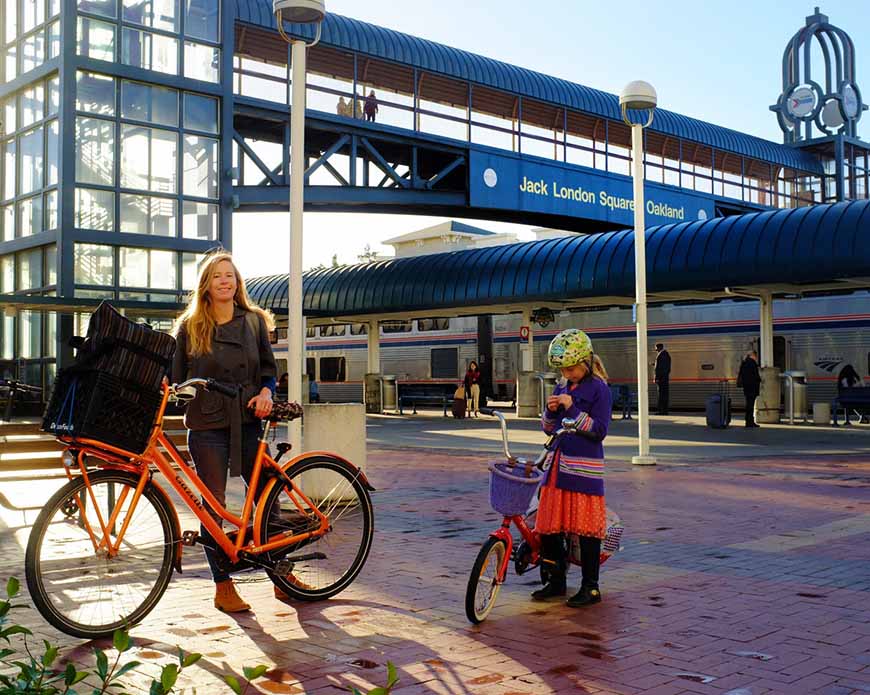
Oakland is one of California’s most bike-friendly cities. Many BART stations include bike racks, lockers, and shared bike docks.
- Ford GoBike (now Bay Wheels) is the primary bike-share service, accessible via smartphone app. Docks are available at 12th Street, 19th Street, and Fruitvale stations.
- Lake Merritt Loops offer serene waterside cycling, especially at dusk when the necklace lights turn on, illuminating the perimeter with timeless charm.
- Telegraph Avenue Corridor from Uptown to Temescal provides a separated bike lane lined with coffee shops, murals, and bookstores—a dreamscape for those who enjoy aesthetic commuting.
11. BART Fare Structure and Budgeting
BART fares are distance-based, not flat-rate.
From San Francisco to central Oakland, fares typically range:
- One-way fare: $4.90–$5.50 (depending on departure point)
- Round trip: Approximately $10
- Clipper Card bonus: Slight discounts apply when using Clipper
Children under 5 ride free, and there are senior discounts available for travelers over 65. Ticket machines accept cards and cash but dispense change in coins, a quaint reminder that not all technology moves at Silicon Valley speed.
12. Late-Night and Weekend BART Considerations
While efficient during the day, BART transforms into something else entirely at night.
- Last trains: Most lines cease operation between 11:30 PM and 12:30 AM. Be sure to consult the timetable to avoid being stranded.
- Night Owl Bus (AC Transit): In lieu of late trains, AC Transit provides “All-Nighter” bus service. These routes mimic BART lines but travel at a pace reminiscent of horse-drawn carts.
Weekend maintenance work can disrupt service. Replacement buses are sometimes deployed, often resulting in delays and scenic detours through East Bay neighborhoods one didn’t intend to visit.
13. Cultural Transition: San Francisco to Oakland
Though only minutes apart, the cultural shift from San Francisco to Oakland is pronounced.
In San Francisco, steel and glass skyscrapers reach for the fog, and the tempo is driven by apps and IPOs. In Oakland, murals shout in color, jazz pours from open doorways, and the pulse of the city slows—without losing its rhythm.
BART provides the bridge—not just between cities, but between two worlds. The ride is short, but the contrast is invigorating. Every trip offers new textures, new accents, and a recalibration of perspective.