1. Stepping into a Living Heritage
The moment I crossed the iconic Dragon Gate at Grant Avenue, the air itself seemed to shift. Lanterns overhead swayed gently in the breeze, and the chatter in Cantonese and Mandarin bounced between jade storefronts and tea emporiums. San Francisco’s Chinatown is not merely a tourist destination. It is a living, breathing, and deeply rooted enclave of tradition, survival, and—most vibrantly—flavor.
Founded in 1848, Chinatown is the oldest of its kind in North America and remains one of the largest Chinese communities outside Asia. Unlike other American Chinatowns that have succumbed to gentrification and tourism, this neighborhood holds firm to its cultural backbone. And nowhere is that heritage more pronounced than in its food.
This journey wasn’t about photographing storefronts or posing beneath red lanterns. It was a deep, deliberate venture into kitchens tucked behind herbal medicine shops, bakeries with no English signs, and dim sum parlors where the menu changes according to the chef’s mood and the season’s harvest.
2. Morning in Chinatown: Awakening with Jook and Soy Milk
I started early. Chinatown doesn’t sleep late—its rhythm is agricultural, market-driven, and maternal. By 7 a.m., the sidewalks along Stockton Street were buzzing. Elderly women in padded jackets bartered over bundles of garlic chives and stacks of taro root, while a butcher rinsed crimson meat hooks outside his storefront.
My morning destination was Yuet Lee, a no-frills Cantonese diner on Stockton. Though modest in appearance, the kitchen emits wafts of umami-laden steam. I ordered a bowl of jook—Cantonese rice porridge slow-cooked until the grains surrender into silk. This version arrived with preserved egg and lean pork, garnished with scallion curls and a whisper of sesame oil. The flavor was delicate yet resolute, seasoned by centuries of famine-era ingenuity transformed into comfort.
Alongside, I sipped warm homemade soy milk—freshly ground, faintly sweet, and slightly beany. The texture was fuller than the boxed variety found in supermarkets. Here, soy milk is not a health trend; it is ancestral.
3. Dim Sum Beyond the Lazy Susan: A Cantonese Art Form
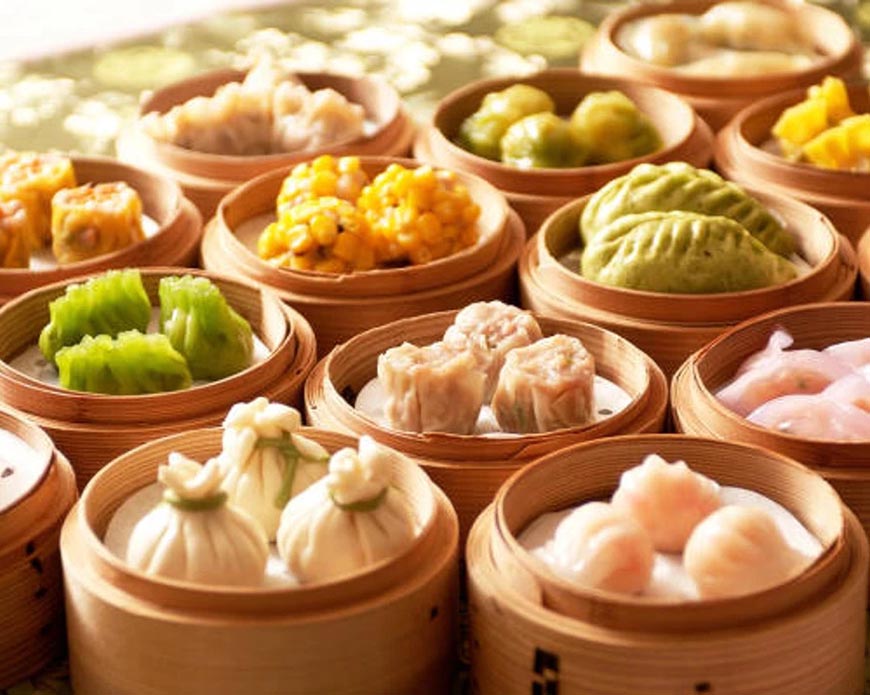
By mid-morning, I walked to Good Mong Kok Bakery, where the line already curled onto the sidewalk. There’s no seating and barely room to stand. I waited patiently beside local workers and elderly aunties, exchanging nods but no words. Everyone knew what they wanted. When it was my turn, I ordered shrimp har gow, pork siu mai, sticky rice wrapped in lotus leaf, and baked BBQ pork buns.
I carried my haul to Portsmouth Square, a concrete park crowded with seniors playing Chinese chess and Tai Chi groups performing synchronized poses beneath stone lions. There, on a sun-warmed bench, I unwrapped my dim sum and took my time.
The har gow were translucent, pleated by hand, each fold as deliberate as a calligraphy stroke. Inside, the shrimp were plump, marinated lightly in rice wine and ginger. Siu mai, on the other hand, offered a firmer bite—pork and mushroom topped with a dab of orange crab roe. The sticky rice parcel revealed tender duck and lap cheong sausage. A bite of the baked BBQ bun released a puff of warm, slightly sweet pork—a contrast to the glossy exterior dusted in sesame.
No sauces needed. The balance was internal.
4. Wok Hei and the Rhythm of Fire: Lunch in the Alleyways
Tucked inside Ross Alley, behind red lanterns and laundry lines strung between buildings, I found Z&Y Restaurant. Unassuming from the outside, this Sichuan stronghold is known among chefs and diplomats alike. Even Chinese presidents have dined here.
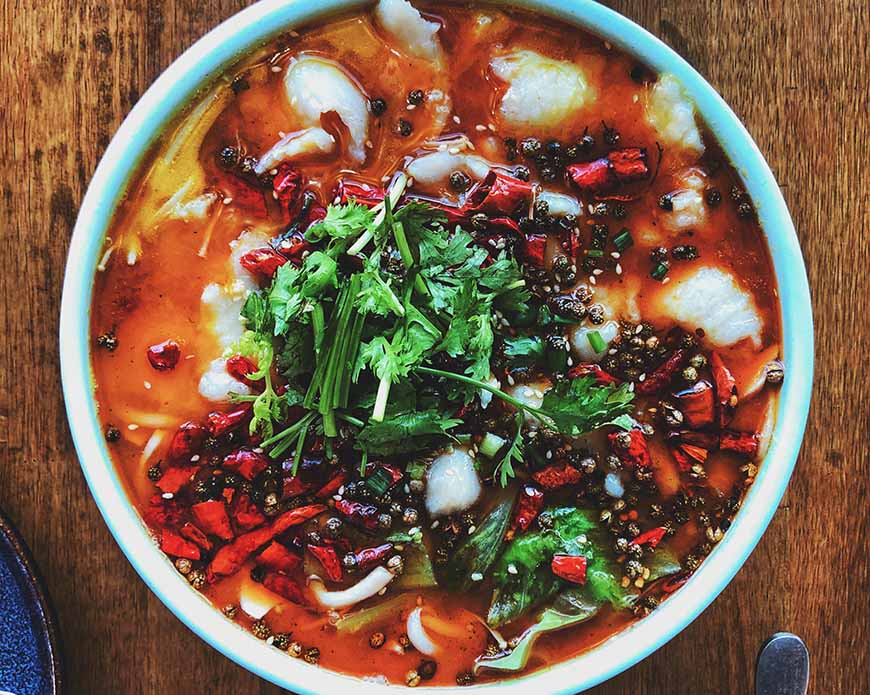
I ordered the signature “Chili Oil Boiled Fish” and a cold starter of shredded potatoes with vinegar and chili. What arrived was a scarlet cauldron of fillets swimming in chili oil, dried red peppers, Sichuan peppercorns, and garlic. The flavor was layered: first heat, then numbness, then depth. The potatoes—thinly julienned and crisp—were refreshingly acidic, tempering the ferocity of the fish dish.
Z&Y’s mastery lies in control of the flame. The chefs use traditional wok stoves that shoot fire like dragon’s breath, achieving what Chinese cooks call wok hei—the breath of the wok. It’s a sear that borders on alchemy, a flavor neither easily translated nor replicated.
5. The Hidden Tea House: Brewing Culture Leaf by Leaf
Post-lunch, I ventured toward Vital Tea Leaf, a quiet shop on Grant Avenue. A tea master named Uncle Gee invited me to sit at the tasting counter. Here, tea is not just beverage—it is performance, ritual, and communion.
He began with Dragon Well green tea, its aroma floral, its taste grassy with chestnut undertones. Next came aged Pu-erh, brewed in a clay pot and poured into miniature porcelain cups. Earthy, dark, and musky, it tasted of forests after rainfall. Finally, he offered an oolong from Taiwan, roasted over charcoal and rolled into tight pearls.
Each brew told a story of soil, weather, elevation, and time. I sat quietly, listening, sipping, watching steam rise in thin, aromatic coils. The shop felt suspended in another century.
6. Late Afternoon Snacks: Street Food and Sweet Surprises
As the afternoon settled in, the craving for something light but nostalgic brought me to Golden Gate Bakery. It was closed, again—a notorious occurrence. But next door, Eastern Bakery offered a worthy substitute. I picked up a custard tart with a flaky, lard-based crust, still warm from the oven. The custard jiggled slightly, its color golden as duck yolk. Nearby, a cart vendor offered skewers of fish balls in curry sauce, and I couldn’t resist.
The contrast of sweet and savory reminded me how Chinese snacks often straddle that line—never cloying, never bland. The snack culture in Chinatown is generational: parents treating children after school, grandmothers buying mooncakes for household offerings, shopkeepers breaking for fried sesame balls between shifts.
7. Dinner in Legacy Kitchens: Stories Served with Sauce
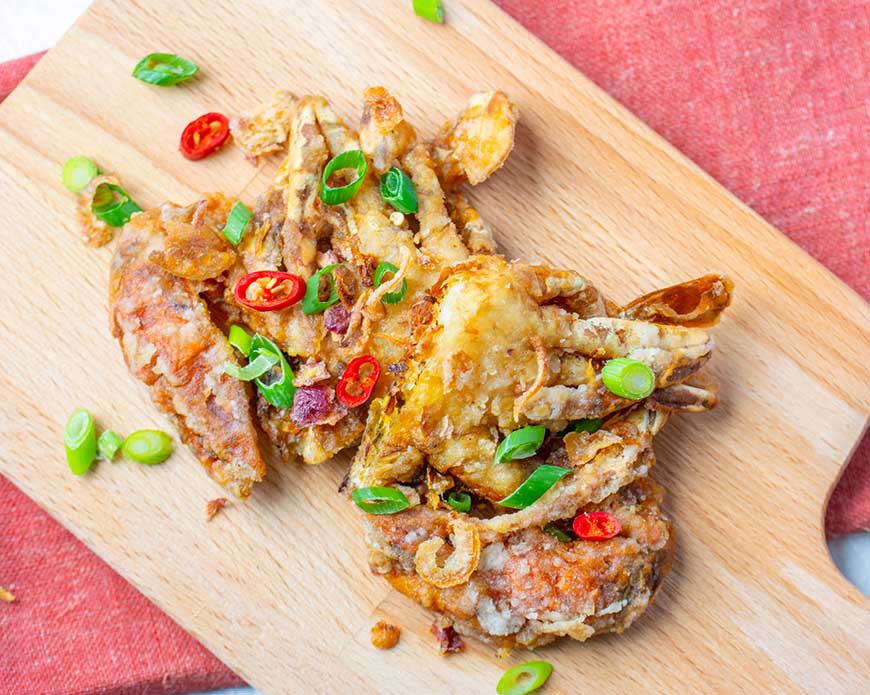
By dusk, the streets flickered with neon. I headed to R&G Lounge, a Chinatown institution. The wait was long, the noise cacophonous, but the reward was legendary: their signature salt-and-pepper crab.
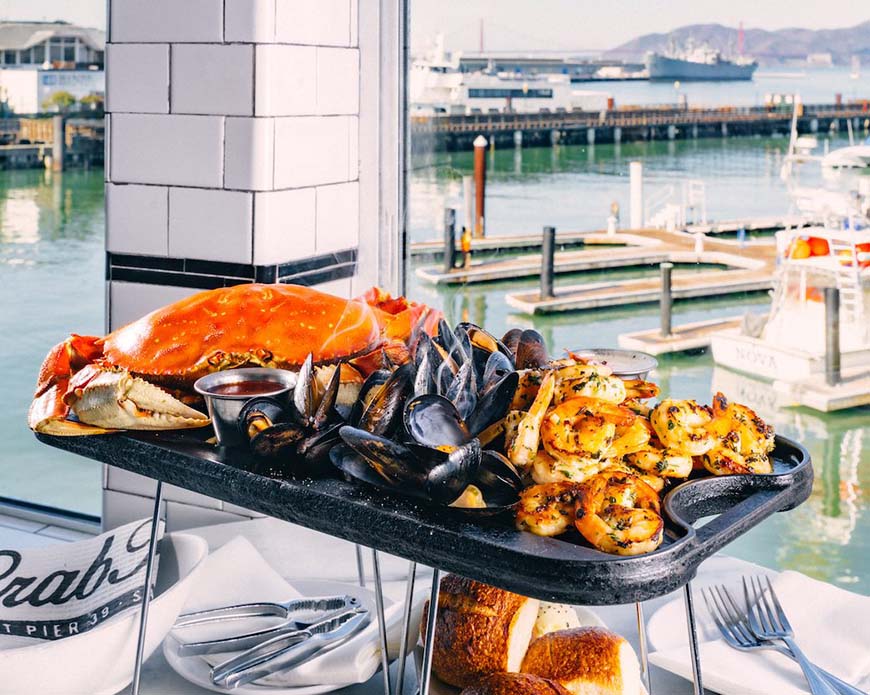
The Dungeness crab was deep-fried whole, cracked open and tossed with garlic, jalapeño, and scallion. Each bite was explosive—salty, aromatic, slightly sweet from the crab’s natural juices. Alongside, I ordered pea shoots with garlic and clay pot tofu with mushrooms and bok choy.
The kitchen here doesn’t cut corners. Everything, from sauce to garnish, carries intention. Generations of Cantonese culinary wisdom are passed through this kitchen, not in cookbooks, but in muscle memory—knife skills, fire control, taste calibration. Dishes carry more than calories; they carry lineage.
8. Nightcap with Herbal Wisdom: Chinatown After Hours
Evenings in Chinatown take on a slower rhythm. By 9 p.m., most markets close, but the herbal apothecaries stay open later, lit by soft fluorescent lights. I entered Great China Herb Co., where dried roots, mushrooms, bark, and berries were stacked in glass jars like specimens in a museum.
The shopkeeper brewed me a cup of chrysanthemum and goji tea to help digestion and calm the body. It tasted clean, faintly floral, with an undertone of earth. This kind of hospitality, grounded in medicinal philosophy, still thrives here.
I ended the night with a moonlit walk through Waverly Place. The temples were closed, incense no longer burning, but the scent lingered. The history whispered in the cracks of century-old bricks, in the wooden balconies overhead, in the quiet dignity of a place that has endured fire, exclusion, and war—yet continues, steadfast and aromatic, to cook.
9. Revisiting the Past with Each Bite
What resonates most is not the spice level, the price point, or the presentation. It is the sense of inheritance—culinary, cultural, spiritual. Chinatown is not curated. It is lived. The flavors are not remade for Instagram; they are preserved, refined, and passed down like heirlooms. Whether it’s a bowl of congee, a pot of Pu-erh, or a piece of soy-sauce chicken hanging in the window, each taste tells a story from before arrival to adaptation.
Chinatown’s kitchens are not tourist traps. They are archives, sanctuaries, workshops, and sometimes, battlefields—where identity is maintained through boiling, steaming, frying, and brewing. Every dish is made from memory, born from necessity, and seasoned with patience.
This culinary journey was more than a search for “good Chinese food.” It was an invitation into a deeper world—a place where taste, history, and heart are inseparable. And I accepted it, one bite at a time.